

For urban commuters who ride through the city every day, a helmet is no longer an “optional accessory” — it is the first and most important line of defense for safety. Yet with so many helmet options on the market, how do you choose one that is both safe and comfortable? Today, let’s break down the core logic behind selecting the right commuter helmet.
1. Safety: Always the Top Priority
The primary mission of a helmet is to protect your head — this is non-negotiable.
- Safety Certifications
Give priority to helmets certified by recognized standards such as CPSC (U.S. Consumer Product Safety Commission) and CE EN 1078. These certifications indicate that the helmet has passed rigorous impact and penetration tests and can effectively absorb shock in the event of an accident. - Shell Construction
Most modern commuter helmets use In-Mold construction, where the outer shell and foam liner are fused together under high temperature. This structure is not only stronger but also distributes impact forces more evenly, significantly reducing the risk of head injury. - Additional Protection Features
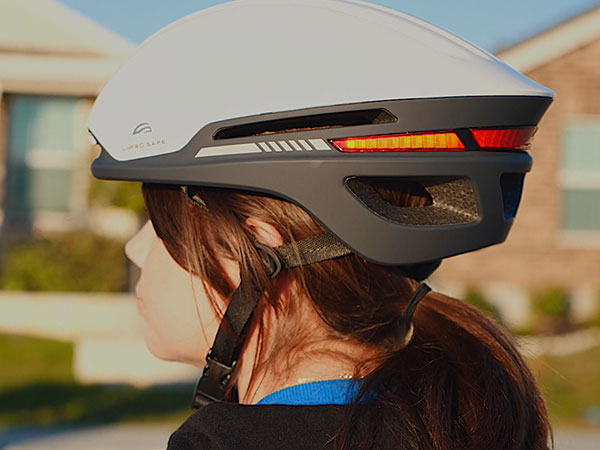
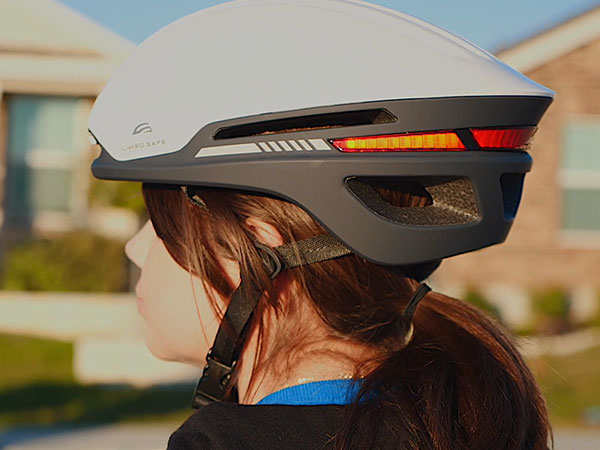
For example, the helmet shown here is equipped with a rear warning light, which greatly improves visibility during dusk or night rides. This helps drivers and pedestrians notice you earlier, reducing the likelihood of accidents at the source.
2. Comfort: What Determines Long-Term Wear
Even the safest helmet won’t help much if it’s uncomfortable and you don’t want to wear it daily.
- Ventilation Design
The number and placement of ventilation holes directly affect heat dissipation. High-quality commuter helmets feature well-designed airflow channels that maintain structural strength while allowing air to circulate, preventing excessive heat buildup during summer rides. - Fit System
An adjustable rear dial fit system and layered inner padding are essential. The dial allows precise adjustment for a secure fit, while soft liners absorb sweat and enhance comfort. Removable and washable padding is also a big plus for daily commuting. - Weight Control
Lightweight design is a key trend in modern helmets. A good commuter helmet typically weighs between 300–400 grams, minimizing strain on the neck even during long rides.
3. Aesthetics & Practicality: Your Invisible Urban Signature
A commuter helmet is also part of your personal style.
- Minimalist Design
Low-saturation colors like matte black or dark gray are popular choices. They pair easily with everyday outfits and work equally well with business or casual looks. - Aerodynamic Shape
A streamlined shell not only looks more modern but also reduces wind resistance at higher speeds, making your ride smoother and more efficient. - Compatibility with Other Gear
A well-designed helmet should work seamlessly with other equipment — for example, allowing space for glasses arms, and being compatible with cycling eyewear or Bluetooth headsets. These thoughtful details can significantly enhance your overall riding experience.